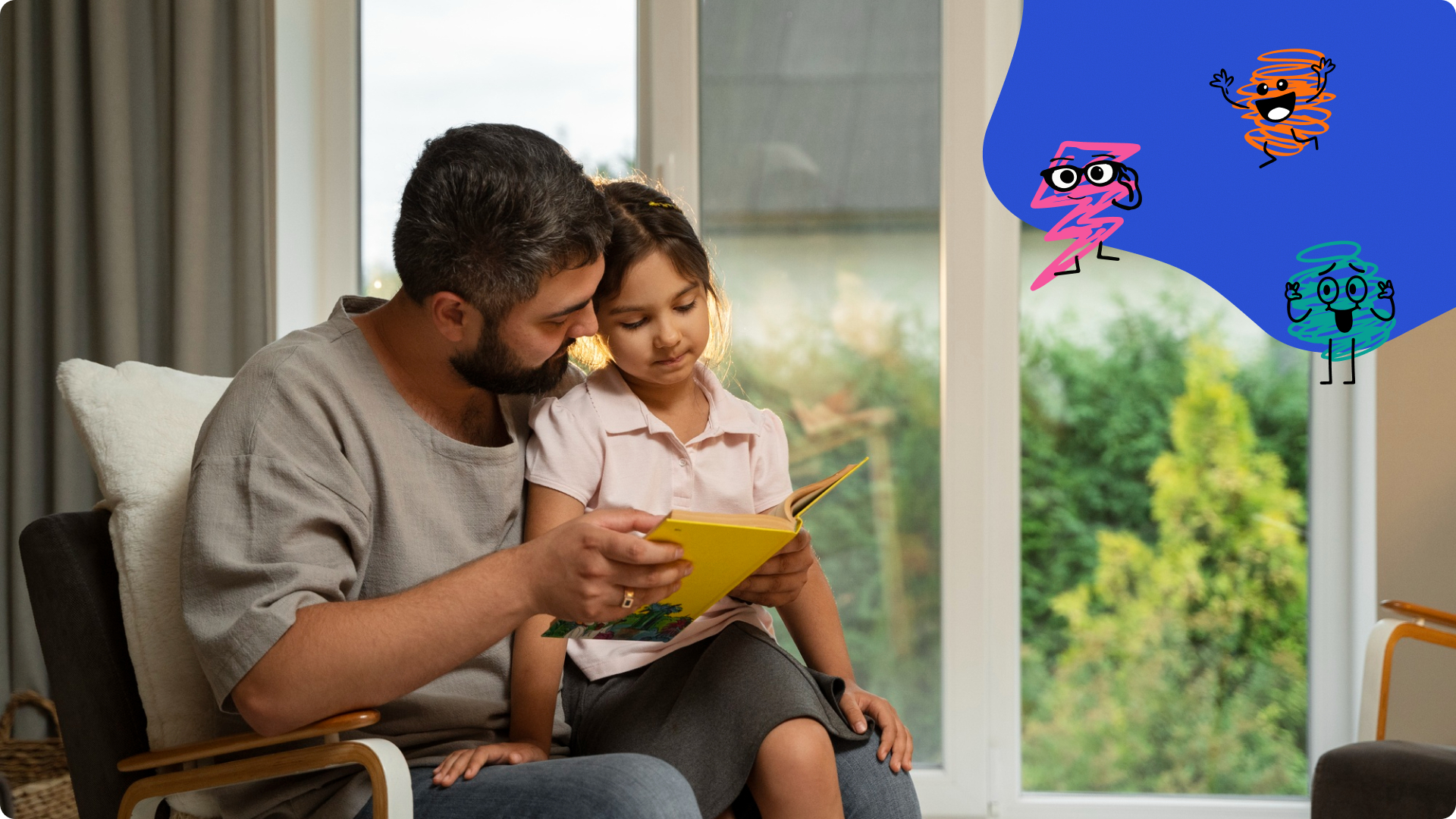
How to Raise a Boy: How a neurodivergent son taught me about letting go of ‘normal’

Adolescence brings heightened emotions, sensory sensitivities, and social misunderstandings that are often misread as behavioural problems. The expectation that boys must ‘toughen up’ or ‘fit in’ is particularly unforgiving when your child processes the world differently.

By Janice Goveas

For years now, no matter where I go or what I do, I am introduced the same way: Aiden’s mama.

It slips into conversations casually, at work, among friends, sometimes even in spaces where my professional identity should lead. At first, it unsettled me. After all, many parents, especially mothers, work hard to protect their identities beyond parenthood. We want to be seen as whole people, professionals, thinkers, individuals rather than just someone’s parent.

But parenting a neurodivergent child quietly dismantles the illusion that identity can be neatly compartmentalised.

I am Janice, and I am raising a 13-year-old boy on the autism spectrum. Aiden is intelligent, curious, funny and very much his own person, and I identify as an ADHD adult — thanks to one of the evaluations I did for myself when getting him tested. These two realities intersect daily, sometimes chaotically, sometimes beautifully, but always in ways that have encouraged me to look at things from a new light, unlearn everything that society tells you parenting, success, and even motherhood should look like.

Parenting a neurodivergent child I know didn’t follow a template — and I learned that very early in our journey. There were no predictable milestones to celebrate, no universal benchmarks to chase. It opened a whole plethora of discoveries, of adaptation and improvisations. This was coupled with emotional labour that rarely pauses, decision-making without clear answers, and an unrelenting awareness that what works today may not work tomorrow.

You stop measuring progress through grades and trophies and start paying attention to quieter victories: A new word spoken, a piece of music mastered, a journey completed without overwhelm, a new friendship.

Adolescence brings heightened emotions, sensory sensitivities, and social misunderstandings that are often misread as behavloural problems. The expectation that boys must “toughen up” or “fit in” is particularly unforgiving when your child processes the world differently. Advocacy became second nature to me — explalning, negotlating, and protecting, while also teaching him how to exist confidently in a world that is not always gentle.

Single parenting, unexpectedly, became a source of clarity for me. With fewer external expectations to manage, I was able to accept Aiden’s diagnosis faster and make decisions centred entirely on his needs. Nature replaced regular schools, and the absence of forced modifications allowed him to thrive. What seemed unusual from the outside became a transformative experience for him and a stabilising one for me.

This experience also changed my professional perspective. Parenting Aiden deepened my understanding of inclusion, going beyond the usual corporate language. It guided me to start conversations about neurodiversity at my workplace, to support other caregivers quietly navigating similar paths at work and outside it. What often goes missing in inclusion dialogues is the caregiver, the invisible labour, the emotional toll, the resilience required just to keep showing up.

Schools, too, remain largely designed for one kind of child. Although there have been conversations about lncluslvity, empathy is often assumed rather than explicitly promoted. In a world that is still adapting to neurodiverse individuals, homeschooling offers a path by demonstrating that intellectual rigour does not have to be restricted to a set framework. Aiden’s deep interests, which included math, geography, music and aviation, acted as stimuli for his academic growth.

Consequently, during his homeschooling years, he has visited nine nations, possesses a more sophisticated comprehension of flight trajectories than many adults, and derives satisfaction from deciphering intricate systems that captivate his interest. These experiences shaped not just his intellect but his confidence.

Some days, I still resist the label of Aiden’s mama. It feels reductive. But I’m realising that it’s not a loss of identity, but a moulding of it. Parenting him has given my life a more focused purpose, challenged my assumptions and increased my sensitivity and inventiveness. It has taught me that success is not about fitting into the world as it is, but about making space for who your child already is. Maybe it’s also something we as adults might learn too.

So yes, I am Aiden’s mama.

Not as a title that eclipses me, but as a reality that has transformed me.

Raising Aiden

From diagnosis to discrimination, therapy to homeschooling, one mother maps the realities of autism in contemporary India

Thirteen years ago, I was in a space of despair — like so many other parents who were ‘early movers’ into the space of autism — quietly navigating a journey no one prepared them for.

I came to know my son was probably on the autism spectrum not from a paediatrician, but from my sister, who worked extensively with children on the spectrum. The moment she sensed something was different about my child at age three — a delay in speech, a faraway look in his eyes, an unusual interest in lining up toys — she suggested the possibility of autism. I was quick to reject it. How can this happen to me? Newly separated and heading for a divorce, I was not ready for a new challenge. A complicated mix of love, fear, anger and confusion set in.

Unlike many parents, I didn’t take too many wrong turns — my sister pointed me to a speech therapist first, who then recommended a developmental paediatrician for a full assessment. But not many parents are that lucky. They often have years of wrong turns: dismissed concerns, misdiagnoses, and a punishing shortage of information. You deserve
better than that. This guide is for you.


Watch for the signs

An estimated 18 million Indians live with autism — the third most common developmental disorder in the country. In urban India, lack of awareness alone contributes to a 1.5-year delay between when parents first raise concerns and diagnosis. In rural areas, many never get diagnosed at all. Over 50% of Indian cases go undiagnosed before preschool, driven by stigma and silence.

Autism is a neurological difference — note the word — from early childhood, though signs typically become clearer between 18 months and 3 years. The earliest signals are often subtle: a baby who doesn’t babble by 12 months; a toddler who doesn’t point or wave; a child who seems to look through people rather than at them; a child who repeats words
(echolalia).

Families dismiss these as “late talking,” “shyness,” or “being stubborn.” For girls, the risk is even higher — they often mask symptoms well and get written off as introverted. I say from experience: if something feels off, act on it. Your instinct is your best judge.

Getting a diagnosis: What to expect

Start with your child’s paediatrician. If they identify red flags, they’ll refer you to a developmental paediatrician, child psychiatrist, or clinical psychologist. Ensure whoever you see is RCI-registered (Rehabilitation Council of India) with autism experience. Public hospitals have long waiting periods; private practitioners offer faster access but at a cost.

Specialists use tools like the M-CHAT or the Indian Autism Screening Questionnaire (IASQ) to assess communication, behaviour, and interaction. Remember: when you meet one person on the spectrum, you’ve met one person on the spectrum. Therapy recommendations differ for every child, and there is usually a checkpoint at age 8 to confirm diagnosis after prolonged therapy.

After a final diagnosis, apply for a disability certificate under the RPWD Act (2016). This entitles your child to government-funded therapy, RTE school quotas, and tax exemptions under Section 80U. Do not skip this step — the certificate does open doors.


Therapy: Building your child’s team

Research from NIMHANS confirms that earlier support means greater developmental progress. Most children benefit from speech therapy, occupational therapy, and Applied Behaviour Analysis (ABA). One-stop centres across Indian cities now coordinate assessment, therapy, special education, and parent coaching under one roof — look for RCI- registered professionals and written intervention plans with clear objectives.

I also turned to Ummeed Child Development Center in Lower Parel — one of Mumbai’s most trusted non-profits, offering services on a sliding scale. Their UPPA programme trains caregivers to support social communication at home. I went specifically to learn how to make my son write; they taught me techniques that made it pleasurable for Aiden and less
stressful for me. India Autism Center, SAI Connections, and Kokilaben Hospital’s dedicated Autism Clinic are other strong options worth exploring.

The school system: Know your rights

Getting my son through school was one of my biggest challenges. Regular school overstimulated him badly. We tried a more inclusive school, but a shadow teacher wasn’t available mid-year — so we turned to homeschooling, a blessing in disguise I now vehemently advocate, though I know it isn’t for everyone.

Under the Right to Education Act, children with disabilities are entitled to inclusive schooling. Seek schools with resource rooms and trained special educators. If mainstream feels overwhelming, bridge programmes like those at Cria Foundation can help with the transition. Before enrolling, have an honest conversation with the principal — a school that welcomes it is worth choosing.


Talking to family


Perhaps the hardest part isn’t the diagnosis — it’s telling your mother-in-law. Or your own parents. Be clear and brief: “My child has autism. It means their brain is wired differently. With the right support, they will thrive.” You don’t owe anyone more than that.

You will still get unsolicited advice and sympathy — we are in India! You grow a thick skin. But you also owe yourself a community that truly understands. Build a family outside your family: friends, well-wishers, other autism parents. It takes a village. I found mine, and they have cheered every milestone — including my latest: Aiden has started lying to
me. Yes, that’s a milestone.

You won’t find all the answers in one appointment, one article, or even a few years. But you will find them – one conversation, one therapy session, one small victory at a time.

Your child is not broken. Neither are you.

Somebody Has to Watch

In Sushama Nagarkar’s Own Words — from JYNM: “The Case That Banned Autism Stem Cell ‘Cures’”

“It’s banned as a commercial practice, which is huge. It’s humongous — and it needs to be.”

— Sushama Nagarkar

I’m a school psychologist with a PhD in special education, and the founder of Yash Charitable Trust. In January 2026, India’s Supreme Court banned the commercial use of stem cell therapy as an autism cure — a ruling that came out of a Public Interest Litigation I led. It took roughly four years.

I worked as a school psychologist in the US for fifteen years, in Louisiana and then mid-Missouri, before returning to India in 2013. I’m also the parent of a neurodivergent adult daughter, Aarti — which means this case was never purely professional for me.

1. From a Hallway Conversation to the Supreme Court

At my trust, staff kept encountering parents in desperation who were selling jewelry, mortgaging homes, and taking loans to fund unproven stem cell cures for autism. After a doctors’ panel publicly warned against it with no effect, we connected with a pro bono legal firm who agreed the issue merited direct Supreme Court action rather than a state High Court filing. My trust became lead petitioner, later joined by a medical-ethics organization and a developmental pediatrician. The case moved through multiple judges over roughly four years, with rumors of bribability and even anonymous calls urging me to contact the CBI. My own board initially thought I was crazy to pursue it. My guiding philosophy: do what’s right, and leave the rest to the universe.

2. Why Almost No Parent Would Go Public

Despite losing large sums with no results, almost no parents were willing to speak out. When we made an awareness video about stem cell therapy’s lack of evidence, only one parent agreed to appear — and even he insisted on being silhouetted on camera, though he later signed the petition. I don’t fully understand the fear driving this silence. I just know it made the case harder to build, and it means the people most harmed by this practice are the ones least able to speak about it publicly.

3. What the Clinics Were Really Selling

Stem cell therapy for autism involves harvesting cells from muscle or fat tissue and reinjecting them over several sittings, with zero research evidence it helps. Crucially, clinics also bundle in legitimate therapies — occupational therapy, speech-language therapy, physiotherapy, behavior therapy — alongside the injections, so any improvement families attribute to stem cells is more plausibly coming from those other therapies. I call that a cover up. The Supreme Court’s ruling: stem cell therapy for autism may only be offered within clinical trials, at designated research institutions, free of charge, with parents clearly informed it’s experimental. Practicing clinics and doctors now face penalties and loss of license.

4. Grief First, Then Strengths, Then Self-Determination

India has traditionally operated on a medical model that treats disability as something to fix; the 2016 Rights of Persons with Disabilities Act instead embeds a social model — change the environment, and the person thrives. My advice to new parents: grieve fully first, it’s okay to cry, it’s okay to be sad. Then focus on strengths rather than deficits, consult qualified developmental pediatricians rather than fly-by-night operators, and teach self-determination early — giving children real, safe choices from a young age so they build genuine decision-making capacity as adults. Caregiver burnout is real too. Parents, especially mothers, need their own lives, and siblings of neurodivergent children carry their own quiet grief that deserves dedicated support.

Tools & Strategies

  • Early intervention — starting support as soon as a developmental delay appears, regardless of a formal diagnosis.
  • Self-determination practice — structured choices from early childhood, building lifelong decision-making capacity.
  • Vetting professionals, not marketing — consulting licensed developmental pediatricians instead of unproven “cure” clinics.
  • Guardianship and long-term planning — wills and adult-support programming for long-term independence.

We only live once. This universe is a beautiful place. Our community is a beautiful community. When we find purpose, we find meaning and we find value, and our children teach us to do that. Let’s just sit back and watch and listen — listen with our hearts.


Listen to the full episode: youtube.com/watch?v=CJ269MOZMdc

Topics covered: #Autism #StemCellBan #SupremeCourtIndia #DisabilityRights #EvidenceBasedCare #NeurodivergenceIndia

6 Books About Autism — For Parents, Educators, and Autistic People Themselves

TMC Takes: Book Recommendations

Most of what people “know” about autism comes from one of three places: outdated clinical descriptions, films and TV shows, or a concerned professional who spoke mostly about deficits. That body of knowledge isn’t wrong, exactly — but it’s incomplete in ways that really matter.

These six books fill in what’s missing. Some are history, some are science, some are written by autistic people about their own experience. Between them, they give you a much fuller picture — and a more useful one.

Quick answers:

Best first book? NeuroTribes for context and history; Uniquely Human if you’re a parent or educator who wants a framework for actually supporting someone.

Books by autistic people? The Reason I Jump and Loud Hands — very different, both important.

What about autism in India? Autism is recognised under the RPwD Act 2016. What’s less consistent is awareness, access to support, and the quality of what’s available — which is exactly why getting informed matters.

The List

1. NeuroTribes — Steve Silberman

A history of autism — how it was discovered, how it was catastrophically mismanaged, how the vaccine panic happened, how the neurodiversity movement emerged. Silberman spent years on this book and it shows. By the end, you understand not just what autism is but why it’s been so misunderstood for so long, and why that has cost people so much.

It’s long. Read it anyway.

Good for: Anyone who wants to understand the full picture | Educators, policymakers, and anyone doing advocacy work

2. Uniquely Human — Barry Prizant

Prizant’s argument: autistic behaviours are not random or meaningless. They are logical, adaptive responses to a world that often doesn’t make sense or feel safe. The meltdown, the stimming, the rigidity — when you ask “why is this happening?” rather than “how do I stop it?”, the answers are almost always meaningful.

This is one of the books that actually changes what people do in the room with an autistic child.

Good for: Parents navigating early diagnosis | Educators and school counsellors | Therapists who want a strengths-based approach

3. The Autistic Brain — Temple Grandin & Richard Panek

Grandin is possibly the most well-known autistic person in the world, and this book — part memoir, part neuroscience — combines her personal experience of thinking in pictures with current research on how autistic brains are structured. It’s a book about understanding how different brains work, not about finding deficits to correct.

Good for: Older autistic teens processing their diagnosis | Parents who want science and personal narrative in one place

4. The Reason I Jump — Naoki Higashida

Higashida wrote this at thirteen. He is non-speaking and autistic, and the book is structured as answers to the questions people around him kept asking — why does he flap, why does he run, why does he laugh at moments that seem wrong. His answers are specific and extraordinary.

This is not a book about autism observed from a clinical distance. It’s autism described from the inside — and it changes what you assume about non-speaking autistic people in a way that stays with you.

Good for: Parents of non-speaking or minimally verbal autistic children | Anyone who works with autistic people who communicate non-conventionally

5. Loud Hands — Julia Bascom (ed.)

An anthology produced by the Autistic Self Advocacy Network — essays, poems, and reflections by autistic people, covering masking, diagnosis, education, identity, and daily life. The title is a reference to “quiet hands” instructions common in some therapies: the directive to stop stimming, to suppress self-regulation, to appear more typical.

Loud Hands is the counterargument. It’s autistic people speaking for themselves — which is, still, more radical than it should be.

Good for: Autistic teens and adults | Parents who want to centre their child’s perspective | Educators willing to have assumptions challenged

6. In a Different Key — John Donvan & Caren Zucker

Deeply reported narrative history of autism in America — following parents, researchers, autistic advocates, and the long battle over how autism should be understood. It covers the institutional horrors of the early twentieth century, the rise of parent advocacy, the neurodiversity movement, and the ongoing tension between cure and acceptance.

Not a comfortable book. A very good one.

Good for: People who want history and nuance without the sugar-coating | Anyone trying to understand why autism discourse is so contested

In India, families often receive a diagnosis and very little else. Schools lack trained people. The word “autism” carries stigma in ways that slow everything down. These books won’t fix the system — but they’ll help you understand it well enough to push back on it.

Training for schools, or support for families trying to navigate the system? Let’s talk.

TMC Takes: we recommend it because it’s good, not because it’s popular.