


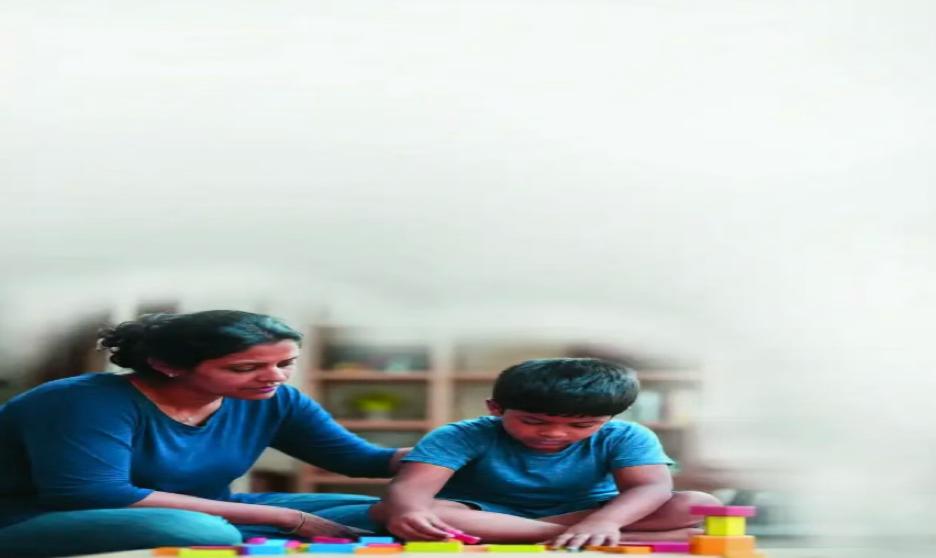
From diagnosis to discrimination, therapy to homeschooling, one mother maps the realities of autism in contemporary India
Thirteen years ago, I was in a space of despair — like so many other parents who were ‘early movers’ into the space of autism — quietly navigating a journey no one prepared them for.
I came to know my son was probably on the autism spectrum not from a paediatrician, but from my sister, who worked extensively with children on the spectrum. The moment she sensed something was different about my child at age three — a delay in speech, a faraway look in his eyes, an unusual interest in lining up toys — she suggested the possibility of autism. I was quick to reject it. How can this happen to me? Newly separated and heading for a divorce, I was not ready for a new challenge. A complicated mix of love, fear, anger and confusion set in.
Unlike many parents, I didn’t take too many wrong turns — my sister pointed me to a speech therapist first, who then recommended a developmental paediatrician for a full assessment. But not many parents are that lucky. They often have years of wrong turns: dismissed concerns, misdiagnoses, and a punishing shortage of information. You deserve
better than that. This guide is for you.
Watch for the signs
An estimated 18 million Indians live with autism — the third most common developmental disorder in the country. In urban India, lack of awareness alone contributes to a 1.5-year delay between when parents first raise concerns and diagnosis. In rural areas, many never get diagnosed at all. Over 50% of Indian cases go undiagnosed before preschool, driven by stigma and silence.
Autism is a neurological difference — note the word — from early childhood, though signs typically become clearer between 18 months and 3 years. The earliest signals are often subtle: a baby who doesn’t babble by 12 months; a toddler who doesn’t point or wave; a child who seems to look through people rather than at them; a child who repeats words
(echolalia).
Families dismiss these as “late talking,” “shyness,” or “being stubborn.” For girls, the risk is even higher — they often mask symptoms well and get written off as introverted. I say from experience: if something feels off, act on it. Your instinct is your best judge.
Getting a diagnosis: What to expect
Start with your child’s paediatrician. If they identify red flags, they’ll refer you to a developmental paediatrician, child psychiatrist, or clinical psychologist. Ensure whoever you see is RCI-registered (Rehabilitation Council of India) with autism experience. Public hospitals have long waiting periods; private practitioners offer faster access but at a cost.
Specialists use tools like the M-CHAT or the Indian Autism Screening Questionnaire (IASQ) to assess communication, behaviour, and interaction. Remember: when you meet one person on the spectrum, you’ve met one person on the spectrum. Therapy recommendations differ for every child, and there is usually a checkpoint at age 8 to confirm diagnosis after prolonged therapy.
After a final diagnosis, apply for a disability certificate under the RPWD Act (2016). This entitles your child to government-funded therapy, RTE school quotas, and tax exemptions under Section 80U. Do not skip this step — the certificate does open doors.
Therapy: Building your child’s team
Research from NIMHANS confirms that earlier support means greater developmental progress. Most children benefit from speech therapy, occupational therapy, and Applied Behaviour Analysis (ABA). One-stop centres across Indian cities now coordinate assessment, therapy, special education, and parent coaching under one roof — look for RCI- registered professionals and written intervention plans with clear objectives.
I also turned to Ummeed Child Development Center in Lower Parel — one of Mumbai’s most trusted non-profits, offering services on a sliding scale. Their UPPA programme trains caregivers to support social communication at home. I went specifically to learn how to make my son write; they taught me techniques that made it pleasurable for Aiden and less
stressful for me. India Autism Center, SAI Connections, and Kokilaben Hospital’s dedicated Autism Clinic are other strong options worth exploring.
The school system: Know your rights
Getting my son through school was one of my biggest challenges. Regular school overstimulated him badly. We tried a more inclusive school, but a shadow teacher wasn’t available mid-year — so we turned to homeschooling, a blessing in disguise I now vehemently advocate, though I know it isn’t for everyone.
Under the Right to Education Act, children with disabilities are entitled to inclusive schooling. Seek schools with resource rooms and trained special educators. If mainstream feels overwhelming, bridge programmes like those at Cria Foundation can help with the transition. Before enrolling, have an honest conversation with the principal — a school that welcomes it is worth choosing.
Talking to family
Perhaps the hardest part isn’t the diagnosis — it’s telling your mother-in-law. Or your own parents. Be clear and brief: “My child has autism. It means their brain is wired differently. With the right support, they will thrive.” You don’t owe anyone more than that.
You will still get unsolicited advice and sympathy — we are in India! You grow a thick skin. But you also owe yourself a community that truly understands. Build a family outside your family: friends, well-wishers, other autism parents. It takes a village. I found mine, and they have cheered every milestone — including my latest: Aiden has started lying to
me. Yes, that’s a milestone.
You won’t find all the answers in one appointment, one article, or even a few years. But you will find them – one conversation, one therapy session, one small victory at a time.
Your child is not broken. Neither are you.